Home › Wildlife
Tugela Mouth Wildlife & Conservation
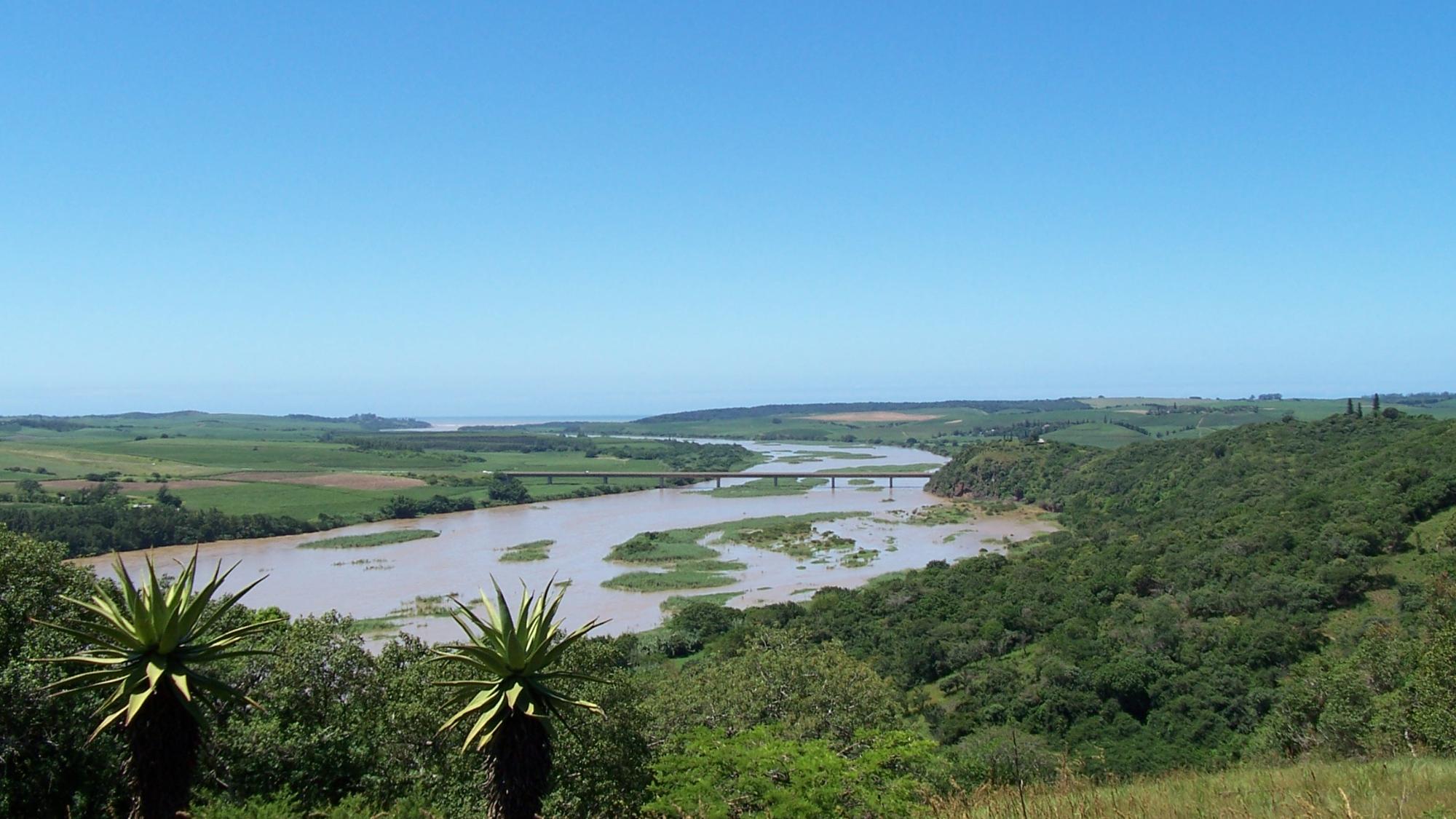
Where one of KwaZulu-Natal's biggest rivers meets the sea, estuary, beach, coastal forest and grassland sit side by side. That mix makes this one of the richest wildlife spots on the North Coast.
Species with confirmed (research grade) sightings within about 9 km of the river mouth on iNaturalist, the citizen science app.
Animals to look out for
A few of the species people have recorded around the mouth, and where you're most likely to find them.
Five habitats in one place
The estuary & sandbanks
Herons, egrets, storks, terns and migrant waders from as far as the Arctic feed here. Fish-eagles hunt the channels.
Beach & surf
Plovers and sanderlings run the tide line, brown mussels and limpets cling to the rocks, and whales pass offshore in winter and spring.
Coastal forest
Harold Johnson Nature Reserve on the south bank shelters turacos, hornbills, bushbuck, duiker and many forest butterflies.
River & reedbeds
Home to otters, crocodiles, kingfishers, reed frogs and fish like the Tugela labeo, found in only a few KwaZulu-Natal rivers.
Grassland & wetland
Seasonal pans and grassland are where rare frogs breed after the summer rains, and where you'll find wildflowers in spring.
Threatened species recorded here
Species on this checklist that carry a conservation status. Every sighting helps scientists track them.
The full checklist
Every species recorded around the mouth, with the number of confirmed sightings. Search by name or pick a group.
How you can help
Small things make a real difference on a stretch of coast this busy with life.
- Keep dogs on a lead on the beach. Plovers nest on open sand, and chicks hide instead of running.
- Stay off the dunes and out of the reeds. Dune plants hold the coast together and reedbeds shelter frogs and birds.
- Don't feed monkeys or other animals. Fed animals become bold and are often hurt or removed.
- Fish within the rules. Carry a valid recreational fishing permit, keep to bag and size limits and use permitted areas.
- Take your litter and fishing line home. Line and hooks tangle birds, otters and turtles.
- Give snakes space. Most are harmless, but mambas and cobras are recorded here. Step back and call a local snake catcher.
- Never swim in the river or estuary. Crocodiles and strong currents make it dangerous.
- Share your sightings. Photograph wildlife and upload it to iNaturalist. Your records help build this list.